
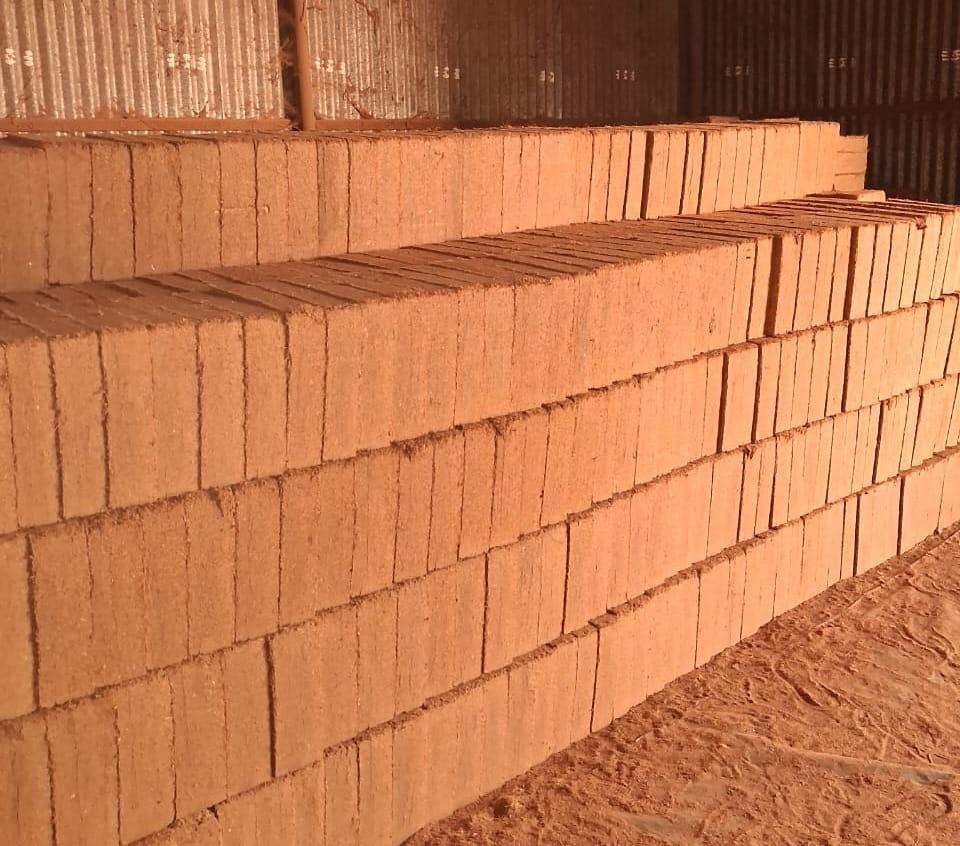
As cocopeat continues to gain global acceptance across horticulture, hydroponics, nurseries, animal bedding, and landscaping, storage, packaging, and handling practices have become critical determinants of product quality in international trade. Cocopeat is a natural, hygroscopic material, meaning it readily absorbs moisture from the surrounding environment. Without proper protection, even high-quality cocopeat can degrade during storage or long-distance transportation.
For export buyers and suppliers alike, understanding and implementing correct logistics practices ensures that cocopeat arrives at its destination with its physical structure, cleanliness, and performance characteristics intact.
Why Storage and Packaging Matter in Cocopeat Exports
Export-grade cocopeat often travels thousands of kilometers and remains in transit for weeks or months. During this time, it may be exposed to fluctuating temperatures, humidity, and handling stress.
Improper storage or packaging can lead to:
Moisture absorption and weight increase
Mold growth and microbial contamination
Block deformation and breakage
Reduced shelf life and performance variability
These issues can result in rejected shipments, customer complaints, and financial losses. Proper packaging and storage are therefore not optional—they are essential.
Compression: The Foundation of Export Packaging
Cocopeat is typically exported in compressed block form, which significantly reduces volume and shipping costs. Compression ratios commonly range from 5:1 to 8:1, depending on the product grade and buyer requirements.
Benefits of Compression
Lower freight costs
Efficient container utilization
Reduced handling damage
Consistent rehydration performance
Proper compression must be balanced carefully. Over-compression can affect rehydration and particle structure, while under-compression increases logistics costs. Export-grade cocopeat is compressed using calibrated hydraulic presses to maintain uniform density across batches.
Packaging Materials Used for Cocopeat Export
The choice of packaging material plays a vital role in protecting cocopeat from moisture, contamination, and mechanical damage.
Common Packaging Options
UV-stabilized polyethylene (PE) bags
Woven polypropylene (PP) outer covers
Laminated inner liners for moisture protection
High-quality packaging prevents water ingress during sea transport and protects against tearing during loading and unloading.
Labeling and Identification
Export packages are typically labeled with:
Product grade and EC level
Block size and weight
Batch number
Country of origin
Clear labeling supports traceability and compliance with import regulations.
Palletization and Container Loading
Palletization is a critical but often underestimated aspect of cocopeat handling. Proper palletization ensures stability during transit and simplifies loading at the destination.
Best Practices in Palletization
Use heat-treated wooden or plastic pallets compliant with ISPM-15 standards
Stack blocks uniformly to prevent shifting
Secure pallets with stretch wrap or strapping
Container Loading Considerations
Avoid direct contact with container walls
Ensure even weight distribution
Use desiccants to control humidity inside containers
These measures help protect cocopeat from condensation and mechanical stress during long sea voyages.
Storage Conditions at Origin
Before shipment, cocopeat must be stored under controlled conditions to preserve quality.
Ideal Storage Environment
Covered, dry warehouses
Elevated flooring to prevent ground moisture absorption
Proper ventilation to avoid condensation
Protection from direct sunlight
Storing cocopeat outdoors or in humid environments can compromise even premium-grade material before it leaves the origin country.
Moisture Management: A Critical Factor
Moisture is the single most significant risk factor in cocopeat storage and export. Excess moisture can lead to:
Mold formation
Increased shipping weight
Unpleasant odor
Reduced shelf life
Export-grade cocopeat is dried to an optimal moisture level before packaging. Moisture-resistant liners and container desiccants further reduce the risk of water absorption during transit.
Handling During Transit and at Destination
Proper handling does not end at shipping. Importers must also ensure correct handling upon arrival.
Handling Best Practices
Avoid exposure to rain or open environments during unloading
Store pallets off the ground in dry warehouses
Do not stack beyond recommended height
Allow blocks to acclimatize before opening in humid climates
Rough handling can cause block breakage, leading to dust generation and uneven rehydration.
Impact of Poor Logistics on Product Performance
Even if cocopeat meets all technical specifications at the factory, poor storage or handling can affect:
Rehydration volume
Particle structure
Air-to-water ratio
Uniformity in growing media
These issues directly impact crop performance, especially in sensitive applications such as hydroponics and nurseries. Export buyers rely on consistent quality, making logistics an integral part of product performance.
Documentation and Quality Assurance in Export Logistics
Proper documentation complements physical handling practices. Export shipments should be accompanied by:
Packing list and invoice
Certificate of origin
Phytosanitary certificate (where required)
Quality and moisture analysis reports
Experienced exporters align packaging and handling practices with documentation to ensure smooth customs clearance and buyer confidence.
Working with Experienced Exporters
Suppliers with export experience understand the importance of:
Destination-specific packaging requirements
Long-transit moisture management
Compliance with international shipping standards
Working with such manufacturers reduces risk and ensures that cocopeat performs as expected upon arrival, regardless of distance or transit duration.
Conclusion
Storage, packaging, and handling are fundamental to preserving cocopeat quality in export trade. Compression, moisture protection, palletization, and controlled storage environments work together to ensure that cocopeat reaches international buyers in optimal condition.
Understanding these logistics factors helps exporters protect product integrity and enables importers to achieve consistent performance in their applications. In global cocopeat trade, quality does not end at production—it is maintained through every step of storage and transportation.