
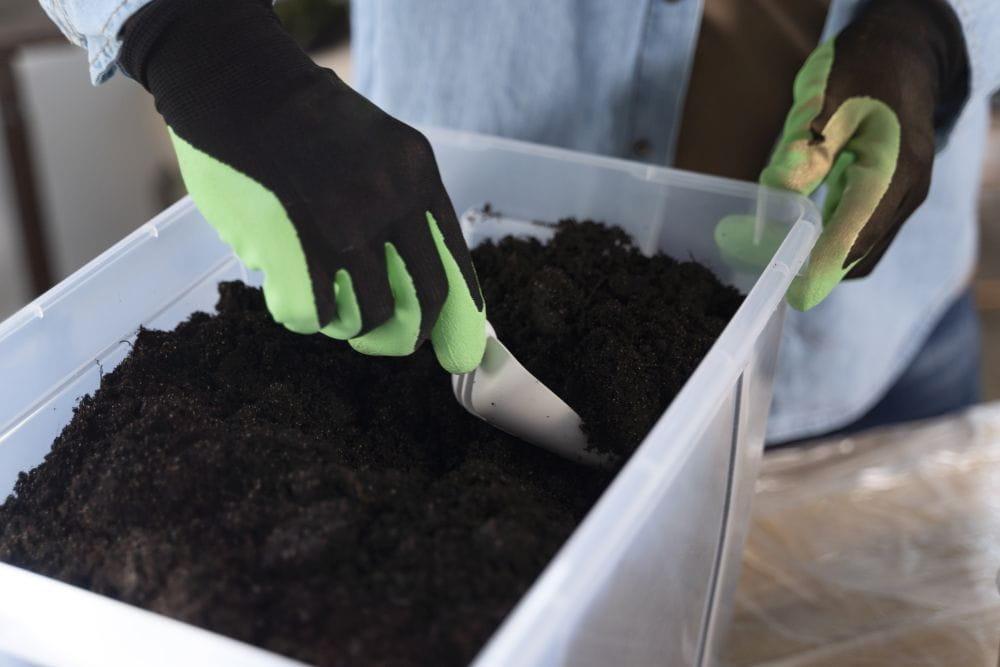
In modern livestock and poultry operations, bedding material plays a critical role in maintaining animal health, farm hygiene, and overall productivity. As animal farming increasingly aligns with export-oriented standards and regulations, the demand for effective, safe, and sustainable bedding solutions has grown significantly. Among various options available today, high EC cocopeat has emerged as a practical and efficient bedding material for animal housing and poultry farms.
High EC cocopeat, derived from coconut husk fibers with higher natural salt content, offers distinct physical benefits that make it especially suitable for non-agricultural applications such as animal bedding. Its absorbency, cushioning properties, biodegradability, and hygienic characteristics have positioned it as a preferred choice in both domestic and export-focused livestock operations.
Understanding High EC Cocopeat
Cocopeat is a byproduct of coconut husk processing and is available in different grades depending on its electrical conductivity (EC). While low EC cocopeat is preferred for plant cultivation, high EC cocopeat is well-suited for applications where nutrient content is not a concern, such as animal bedding.
High EC cocopeat typically contains higher levels of natural salts, which are unsuitable for sensitive plant roots but pose no risk in bedding applications. In fact, these characteristics allow high EC cocopeat to be utilized efficiently, reducing waste and supporting sustainable resource use.
Superior Absorbency for Dry and Clean Floors
One of the primary reasons high EC cocopeat is widely used in animal bedding is its exceptional absorbency. Cocopeat can absorb several times its own weight in moisture, making it highly effective in managing animal waste and spilled water.
In poultry houses and livestock sheds, excess moisture can quickly lead to:
Wet and slippery floors
Increased bacterial growth
Unpleasant odours
Higher risk of disease
High EC cocopeat helps maintain dry bedding conditions by quickly absorbing moisture and locking it within its fibrous structure. This contributes to cleaner floors and a healthier environment for animals.
Odour Control and Improved Air Quality
Odour management is a major concern in poultry and animal farms, particularly in enclosed or high-density housing systems. Ammonia and other gases released from animal waste can negatively affect both animal health and worker safety.
High EC cocopeat plays a significant role in reducing odour levels by:
Absorbing urine and moisture that cause ammonia release
Limiting bacterial activity responsible for foul smells
Maintaining drier surfaces that discourage decomposition
Improved air quality directly contributes to better animal performance, reduced respiratory stress, and compliance with hygiene norms—an essential requirement in regulated export markets.
Cushioning and Animal Comfort
Animal welfare is increasingly emphasized in both domestic regulations and international export standards. Bedding material must provide adequate cushioning and comfort to reduce stress and prevent injuries.
High EC cocopeat offers a soft yet supportive surface that:
Reduces pressure on joints and feet
Minimizes the risk of footpad dermatitis in poultry
Prevents abrasions and sores in larger livestock
Comfortable animals are more likely to exhibit natural behavior, maintain better health, and achieve higher productivity. For poultry farms, this often translates into improved growth rates and lower mortality.
Hygiene and Disease Prevention
Maintaining hygienic housing conditions is essential for disease control. Damp or compacted bedding materials can become breeding grounds for pathogens, parasites, and insects.
High EC cocopeat’s loose and fibrous texture helps prevent compaction, allowing better airflow within the bedding layer. This reduces the likelihood of:
Fungal growth
Bacterial infections
Parasite infestation
Additionally, cocopeat is typically processed and dried before use, ensuring a cleaner and safer bedding option compared to traditional materials like straw or sawdust.
Biodegradability and Environmental Sustainability
Sustainability is a key consideration for export-oriented animal farming operations. Many international buyers and regulators now favor products sourced from environmentally responsible systems.
High EC cocopeat is:
100% natural and biodegradable
Made from renewable coconut husk waste
Easily compostable after use
After serving as bedding, used cocopeat can be recycled as organic manure or soil conditioner, closing the loop in agricultural waste management. This aligns well with circular economy principles and enhances the sustainability profile of farms supplying export markets.
Lightweight and Easy to Handle
Compared to traditional bedding materials, cocopeat is lightweight and easy to transport, store, and spread. This reduces labor costs and simplifies daily farm operations.
Its dust-free nature also minimizes respiratory irritation for animals and workers, further improving working conditions in poultry houses and livestock sheds.
Cost Efficiency for Large-Scale Operations
High EC cocopeat is often more economical than low EC, washed cocopeat, as it requires minimal processing. This cost advantage makes it suitable for large-scale animal farms where bedding needs to be replaced regularly.
When combined with its durability, absorbency, and post-use composting value, high EC cocopeat offers excellent cost-effectiveness over its lifecycle.
Acceptance in Export Markets
Export markets, particularly in Europe, the Middle East, and parts of Asia, increasingly demand hygienic, biodegradable, and welfare-friendly farming inputs. High EC cocopeat meets these criteria and is widely accepted as a responsible bedding solution.
Farms using cocopeat bedding can demonstrate:
Improved animal welfare practices
Better waste and odour management
Reduced environmental impact
These factors enhance market access and strengthen credibility with international buyers.
Conclusion
High EC cocopeat has proven to be an ideal bedding material for animal housing and poultry farms, offering a balanced combination of absorbency, comfort, hygiene, and sustainability. Its ability to maintain dry floors, reduce odour, and improve animal welfare makes it particularly valuable for export-oriented livestock operations operating under strict regulatory frameworks.
By utilizing high EC cocopeat, farms not only improve day-to-day animal management but also align themselves with global expectations for responsible and sustainable animal production. As export markets continue to evolve, high EC cocopeat will remain a practical and forward-looking solution for modern animal bedding needs.