
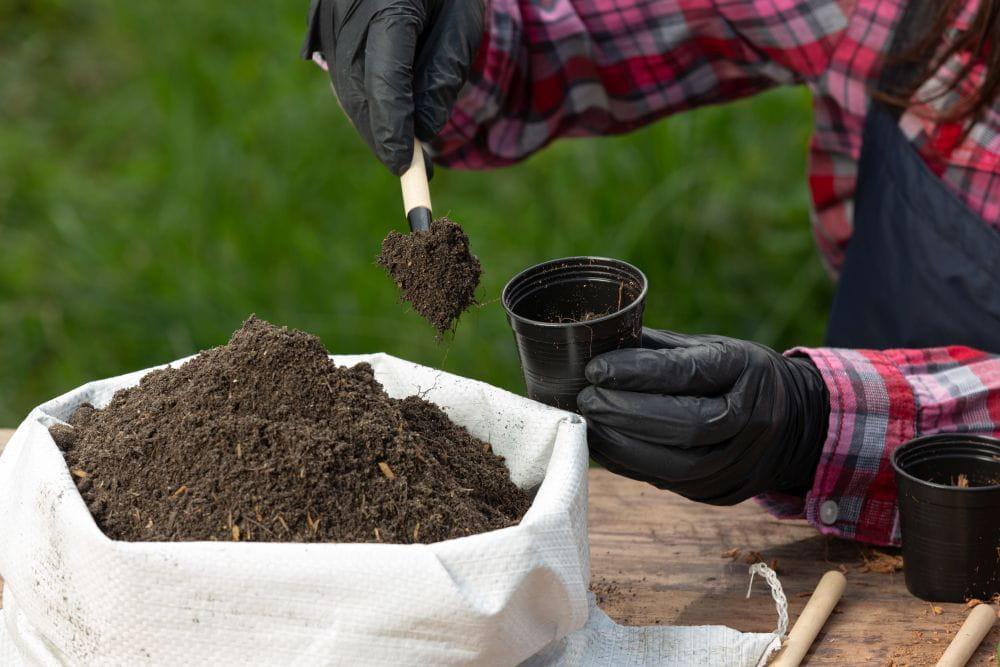
As global demand for cocopeat continues to grow across horticulture, hydroponics, landscaping, and animal husbandry, quality grading has become a critical factor in international trade. Cocopeat is not a uniform product; it is processed and graded into different quality levels based on physical characteristics such as fiber content, dust percentage, moisture retention, and impurity removal. Understanding these grades—Low Quality, Medium Quality, and Destoner Quality cocopeat—is essential for importers and buyers to select the right product for their specific applications without unnecessary cost escalation.
For export markets in particular, quality grading is not merely a preference but often a regulatory and contractual requirement.
Why Cocopeat Quality Grading Matters
Cocopeat grading directly affects:
Crop performance and root health
Uniformity in growing media
System compatibility in hydroponics and nurseries
Phytosanitary compliance for exports
Cost efficiency for buyers
Export buyers, especially in Europe, the Middle East, and North America, often specify exact quality grades in purchase orders. Failure to meet these standards can lead to shipment rejection, claims, or loss of long-term business relationships.
Key Parameters Used in Cocopeat Grading
Cocopeat quality is typically evaluated based on:
Fiber content – proportion of long and short fibers
Dust level – fine particles affecting aeration and drainage
Impurities – stones, sand, roots, and foreign matter
Processing level – sieving, washing, buffering, and destoning
Uniformity – consistency across batches
These parameters determine whether cocopeat is suitable for low-end applications or premium export use.
Low Quality Cocopeat Characteristics
Low quality cocopeat is minimally processed and usually sourced directly after primary fiber extraction. It contains:
High dust content
Irregular particle size
Presence of stones, sand, and root fragments
Limited sieving and no destoning
Typical Uses
Low quality cocopeat is generally used for:
Local soil conditioning
Landscaping and gardening at a basic level
Compost blending
Low-cost applications where precision is not required
Limitations
Poor aeration and drainage
Inconsistent moisture retention
Not suitable for nurseries or hydroponics
Typically not accepted in export markets
While low quality cocopeat is economical, it is unsuitable for professional agriculture or international buyers due to inconsistency and impurity risks.
Medium Quality Cocopeat Characteristics
Medium quality cocopeat undergoes additional processing and sieving, resulting in:
Balanced mix of cocopeat and fiber
Reduced dust levels
Improved particle uniformity
Partial impurity removal
However, small stones or sand particles may still be present.
Typical Uses
Medium quality cocopeat is commonly used for:
Domestic nurseries
Potting mixes
Landscaping projects
Shade net and polyhouse cultivation
Advantages
Better moisture retention than low-grade material
Improved aeration for plant roots
Cost-effective for mid-level applications
Export Suitability
Medium quality cocopeat may be accepted in less regulated export markets, but it is generally not preferred for high-end horticulture or hydroponics. Buyers seeking consistency and clean media often move to higher grades.
Destoner Quality Cocopeat (Premium Export Grade) What Is Destoner Quality?
Destoner quality cocopeat represents the highest grade available for export. It is processed through specialized destoning machines that remove:
Stones
Sand
Hard foreign particles
This process significantly improves purity and uniformity.
Characteristics
Destoner quality cocopeat features:
Very low dust content
High consistency in particle size
Minimal fiber contamination (unless blended intentionally)
Almost complete removal of impurities
Applications
Destoner quality cocopeat is preferred for:
Export-oriented nurseries
Hydroponic and soilless cultivation systems
Seed germination trays
Greenhouses and vertical farming
High-value horticultural crops
Why Export Buyers Insist on Destoner Quality
Many importing countries impose strict standards related to:
Phytosanitary safety
Equipment compatibility (drip lines, NFT systems)
Root-zone uniformity
Product cleanliness
Even small stones can damage irrigation systems or compromise crop performance. As a result, export buyers often insist on destoner quality cocopeat to eliminate risk.
Cost vs. Value: Choosing the Right Grade
A common mistake among importers is either overpaying for unnecessary quality or underestimating quality requirements, leading to operational issues.
Key Considerations Before Buying
Intended application (nursery, hydroponics, landscaping, bedding)
Local regulations and buyer standards
Irrigation system sensitivity
Crop type and growth stage
For example:
Landscaping projects rarely require destoner quality
Hydroponic systems almost always do
Nurseries supplying export plants benefit from premium grades
Understanding these distinctions helps buyers make informed decisions and optimize cost-performance balance.
Blended Grades and Custom Specifications
Some suppliers offer custom blends, combining cocopeat and fiber in specific ratios or tailoring dust levels to buyer requirements. This approach allows importers to achieve desired performance characteristics without paying for unnecessary processing steps.
Export buyers often specify:
Particle size range
Maximum impurity tolerance
Compression ratio for blocks
Moisture content
Reliable suppliers align grading processes with these specifications.
The Role of Quality Control in Export Trade
Consistent grading requires:
Modern processing facilities
Sieving and destoning equipment
Batch-wise quality testing
Proper storage and packaging
For exporters, maintaining grade integrity is essential to build trust and secure repeat orders. For importers, verifying grade specifications protects investment and ensures predictable results.
Conclusion
Cocopeat quality grading—low, medium, and destoner—plays a decisive role in determining suitability, performance, and export acceptance. While low and medium grades serve basic and domestic needs, destoner quality cocopeat stands out as the premium choice for export markets that demand purity, uniformity, and reliability.
By understanding these grades and aligning purchases with actual application requirements, importers can avoid overpaying, reduce operational risk, and ensure consistent performance. In a competitive global market, informed grade selection is not just a technical decision—it is a strategic one.