
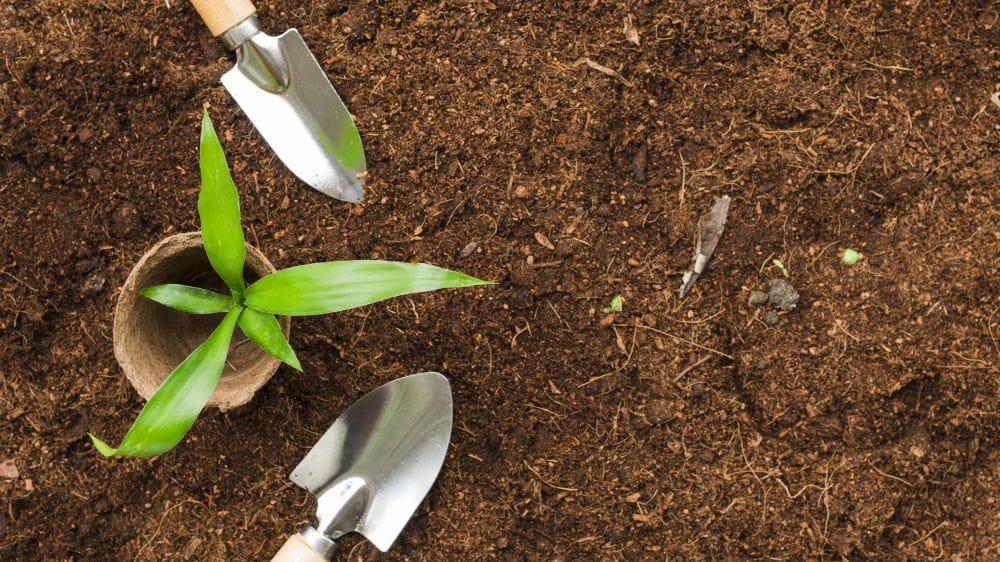
In modern horticulture and commercial agriculture, seed germination and nursery management form the foundation of successful crop production. This foundation becomes even more critical when the end market is international, where buyers demand uniformity, quality, phytosanitary safety, and consistency. Among various growing media available today, cocopeat has emerged as a preferred and reliable substrate for nurseries supplying plants and seedlings for export markets.
Cocopeat, derived from the fibrous husk of coconuts, offers a unique combination of moisture retention, aeration, sterility, and sustainability, making it especially suitable for seed germination and nursery-raised plants intended for global trade.
The Importance of the Right Growing Medium in Seed Germination
Seed germination is a delicate biological process that depends on several critical factors, including:
Adequate and consistent moisture
Proper oxygen availability
Stable temperature conditions
Freedom from pathogens and contaminants
Traditional soil-based media often fail to meet these requirements uniformly. Soil can compact easily, retain excess water, harbor harmful microorganisms, and vary widely in texture and nutrient content. These inconsistencies can result in uneven germination, weak seedlings, and higher mortality rates—all unacceptable outcomes for export-oriented nurseries.
Cocopeat addresses these limitations effectively, providing a controlled and predictable environment that supports healthy germination and early plant development.
Moisture Stability: A Key Advantage of Cocopeat
One of the most important attributes of cocopeat is its exceptional water-holding capacity. Cocopeat can retain moisture up to eight to nine times its own weight while still maintaining air-filled pores.
For seed germination, this characteristic is invaluable. Seeds require constant moisture to activate enzymes and initiate root emergence. Cocopeat ensures:
Even moisture distribution across seed trays
Reduced risk of drying out between irrigation cycles
Lower chances of waterlogging compared to soil
This moisture stability leads to uniform germination, which is especially important when nurseries must deliver thousands or millions of identical seedlings to meet export orders.
Aeration and Root Development
While moisture is essential, seeds and young roots also require oxygen. Cocopeat has a naturally porous structure, allowing free air movement within the growing medium.
This balance of water and air promotes:
Faster root initiation
Stronger root systems
Reduced risk of root rot and fungal diseases
Healthy root development during the nursery stage directly influences plant vigor after transplanting. Export buyers often evaluate root health as a key quality parameter, and cocopeat-grown seedlings consistently meet these expectations.
Sterility and Phytosanitary Compliance
One of the most significant reasons cocopeat is widely used in export nurseries is its sterile nature when properly processed. High-quality cocopeat is washed, buffered, and treated to remove salts, pathogens, weed seeds, and harmful microorganisms.
Many importing countries enforce strict phytosanitary regulations to prevent the spread of pests and diseases. Seedlings grown in unsterilized soil may be rejected or quarantined, leading to financial losses and reputational damage.
Cocopeat provides a compliant solution by offering:
A clean, inert growing medium
Reduced dependency on chemical soil sterilants
Lower incidence of soil-borne diseases
As a result, cocopeat has become the preferred substrate for nurseries supplying plants to Europe, the Middle East, North America, and other regulated markets.
Uniformity: A Critical Export Requirement
Export buyers expect uniform size, color, and growth stage across shipments. Cocopeat’s consistent physical properties help nurseries achieve this uniformity more reliably than soil or compost-based media.
Because cocopeat:
Has uniform texture
Maintains stable moisture levels
Allows precise nutrient management
nurseries can produce batches of seedlings that grow at nearly the same rate. This predictability simplifies grading, packing, and logistics for export shipments.
Compatibility with Modern Nursery Systems
Cocopeat integrates seamlessly with modern nursery practices, including:
Plug trays and seedling trays
Raised nursery beds
Greenhouse and polyhouse production
Automated irrigation and fertigation systems
Its lightweight nature reduces handling and transportation costs within nursery operations. For export-oriented nurseries operating at scale, these efficiencies translate into lower operational costs and higher profitability.
Nutrient Management and Customization
Although cocopeat itself is low in nutrients, this characteristic is an advantage rather than a drawback. It allows nurseries to implement precise nutrient management through controlled fertilization.
By combining cocopeat with:
Water-soluble fertilizers
Organic nutrient solutions
Microbial inoculants
nurseries can tailor nutrition to specific crops such as vegetables, ornamentals, fruit plants, or medicinal species. This level of control is particularly important when growing high-value export crops that require specific nutrient profiles during early growth stages.
Sustainability and Environmental Considerations
Sustainability is becoming a major concern for international buyers and regulators alike. Cocopeat is a renewable, eco-friendly growing medium, produced from coconut husks that would otherwise be discarded as agricultural waste.
Compared to peat moss or soil extraction, cocopeat:
Reduces environmental degradation
Supports circular agricultural practices
Aligns with global sustainability standards
Nurseries using cocopeat can position themselves as environmentally responsible suppliers, which is increasingly important in export markets.
Common Export Crops Raised in Cocopeat Nurseries
Cocopeat is widely used in nurseries producing seedlings for export, including:
Vegetable seedlings (tomato, capsicum, cucumber, lettuce)
Ornamental plants and flowers
Fruit plant saplings
Herb and medicinal plant seedlings
Tissue culture hardening plants
In all these applications, cocopeat ensures high survival rates during transplanting and transportation—an essential requirement for long-distance exports.
Conclusion
Cocopeat has established itself as a cornerstone growing medium for seed germination and nursery production, particularly for export-oriented agriculture. Its ability to provide stable moisture, excellent aeration, sterility, and uniform growth makes it ideally suited for meeting the stringent quality and phytosanitary standards of international markets.
For nurseries supplying export crops, cocopeat is not merely an alternative to soil—it is a strategic input that enhances consistency, compliance, sustainability, and profitability. As global demand for high-quality, nursery-raised plants continues to rise, cocopeat will remain a vital component of modern, export-driven horticulture.