
Sustainability has moved from being a voluntary initiative to a fundamental requirement in global agriculture. Governments, certification bodies, corporate buyers, and consumers increasingly demand environmentally responsible production methods across the agricultural supply chain. As a result, inputs used in farming—such as growing media—are now evaluated not only for performance but also for their environmental impact.
Cocopeat has emerged as a preferred growing medium in this sustainability-driven transition. Derived from coconut husk, a renewable agricultural by-product, cocopeat offers a low-impact alternative to traditional growing media such as peat moss. Its biodegradability, water efficiency, and alignment with environmental, social, and governance (ESG) principles have made it increasingly attractive to global markets.
This article examines why cocopeat plays a critical role in sustainable agriculture and explains why international buyers and regulators are shifting toward its widespread adoption.
The Sustainability Challenge in Modern Agriculture
Global agriculture faces multiple interconnected challenges, including climate change, water scarcity, soil degradation, and biodiversity loss. Traditional farming inputs and practices often exacerbate these problems, prompting regulators and market stakeholders to push for more sustainable alternatives.
Growing media such as peat moss, once widely used in horticulture and greenhouse farming, have come under scrutiny due to their environmental footprint. Peat extraction releases significant amounts of stored carbon and damages wetland ecosystems that take thousands of years to regenerate.
As sustainability regulations tighten, the need for alternative, environmentally responsible growing media has become urgent.
Cocopeat: A Renewable and Responsible Resource
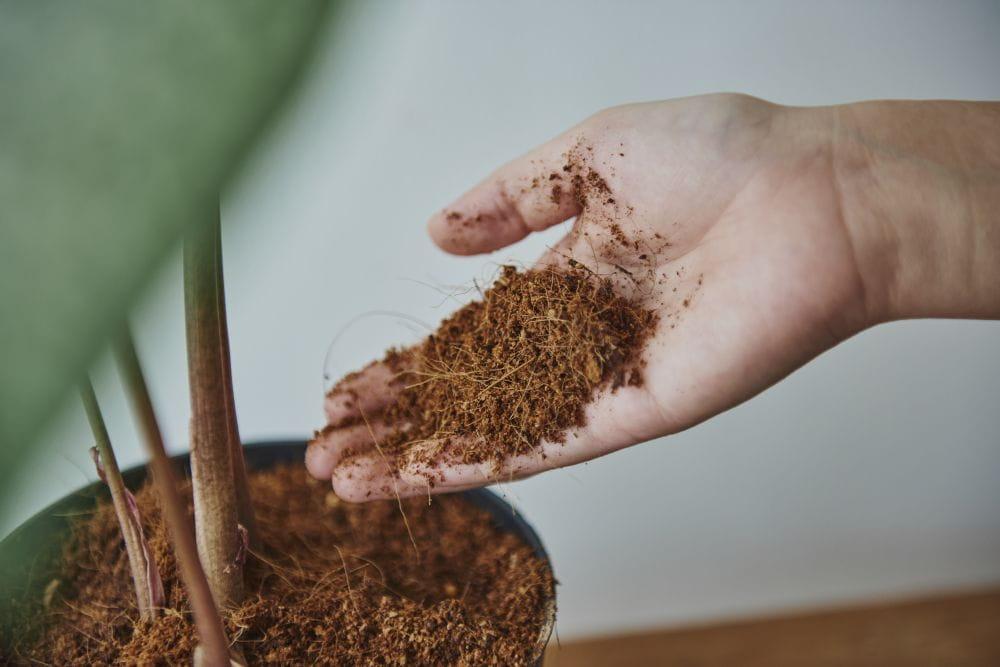
Cocopeat is produced from coconut husk, which is generated in large quantities as a by-product of the coconut industry. Unlike peat moss, which is mined from natural ecosystems, cocopeat utilises existing agricultural waste, converting it into a valuable resource.
Key sustainability advantages of cocopeat include:
Renewable origin: Coconut trees produce husks continuously over their productive lifespan.
Waste utilisation: Cocopeat transforms agricultural waste into a usable product, reducing landfill and environmental pollution.
Low ecological disruption: Production does not involve habitat destruction or carbon-intensive extraction processes.
These factors position cocopeat as a responsible input aligned with circular economy principles.
Cocopeat vs Peat Moss: Environmental Impact Comparison
The shift toward cocopeat is largely driven by its lower environmental footprint when compared to peat moss.
Peat Moss Concerns
Extracted from sensitive wetlands
Releases stored carbon dioxide during extraction
Destroys natural habitats
Regenerates over thousands of years
Cocopeat Advantages
Derived from renewable agricultural by-products
Minimal carbon release during processing
Does not disrupt ecosystems
Biodegradable and reusable
As a result, many countries in Europe and elsewhere have introduced policies to reduce or ban peat-based products, accelerating the adoption of cocopeat.
Alignment with ESG and Corporate Sustainability Goals
Environmental, Social, and Governance (ESG) criteria have become central to corporate decision-making, particularly for multinational agribusinesses and food exporters.
Cocopeat supports ESG objectives by:
Reducing environmental impact
Promoting responsible resource use
Supporting rural economies in coconut-producing regions
Improving water efficiency in agriculture
Export buyers increasingly evaluate suppliers based on ESG compliance, making cocopeat an attractive choice for growers targeting international markets.
Water Efficiency and Climate Resilience
Water scarcity is one of the most pressing challenges in global agriculture. Cocopeat’s exceptional water-holding capacity significantly reduces irrigation requirements, making it particularly valuable in arid and semi-arid regions.
By retaining moisture while maintaining aeration, cocopeat helps crops withstand drought stress and reduces water consumption without compromising yield. This characteristic contributes directly to climate-resilient farming systems.
Countries in the Middle East, North Africa, and parts of Asia have adopted cocopeat extensively for this reason.
Reduced Chemical Dependency and Soil Health
Cocopeat’s neutral pH and inert nature allow growers to control nutrient delivery precisely. This reduces overuse of fertilisers and minimises nutrient runoff, which can contaminate water bodies and degrade soil quality.
When used as a soil amendment, cocopeat improves soil structure, increases organic matter, and enhances microbial activity, supporting long-term soil health.
These benefits align with sustainable farming practices promoted by international certification schemes.
Government Policies and Regulatory Support
Governments and agricultural agencies worldwide are encouraging the use of sustainable inputs such as cocopeat through:
Environmental regulations limiting peat extraction
Sustainability standards for agricultural imports
Incentives for water-efficient farming practices
Support for biodegradable and renewable materials
In the European Union, for example, sustainability regulations increasingly favour peat-free growing media, indirectly boosting cocopeat demand.
Certification and Traceability in Export Markets
Export markets require traceability and compliance with environmental standards. Cocopeat suppliers who maintain transparent sourcing, processing, and quality control practices gain a competitive advantage.
Traceable cocopeat supports:
Organic and sustainable certification
Eco-label compliance
Responsible sourcing declarations
This is especially important for exporters supplying to environmentally conscious markets.
Cocopeat and the Future of Sustainable Agriculture
As agriculture continues to evolve, sustainability will remain a central requirement rather than a differentiating feature. Cocopeat’s ability to support efficient, low-impact farming makes it well-suited to future agricultural systems.
Advances in processing, quality control, and product customisation will further strengthen Cocopeat’s role in global agriculture.
Conclusion
Cocopeat represents a practical and scalable solution to many of the sustainability challenges facing modern agriculture. Its renewable origin, low environmental footprint, water efficiency, and alignment with ESG goals have driven its rapid adoption across global markets.
As governments, corporations, and consumers demand higher environmental accountability, cocopeat is positioned as a preferred growing medium for sustainable agriculture and export-oriented farming. The shift toward cocopeat is not a trend but a long-term transition toward responsible agricultural practices.